
Blood pressure is one of the most important indicators of cardiovascular health. High blood pressure, also known as hypertension, often develops without noticeable symptoms but can significantly increase the risk of heart disease, stroke, and kidney problems if left untreated.
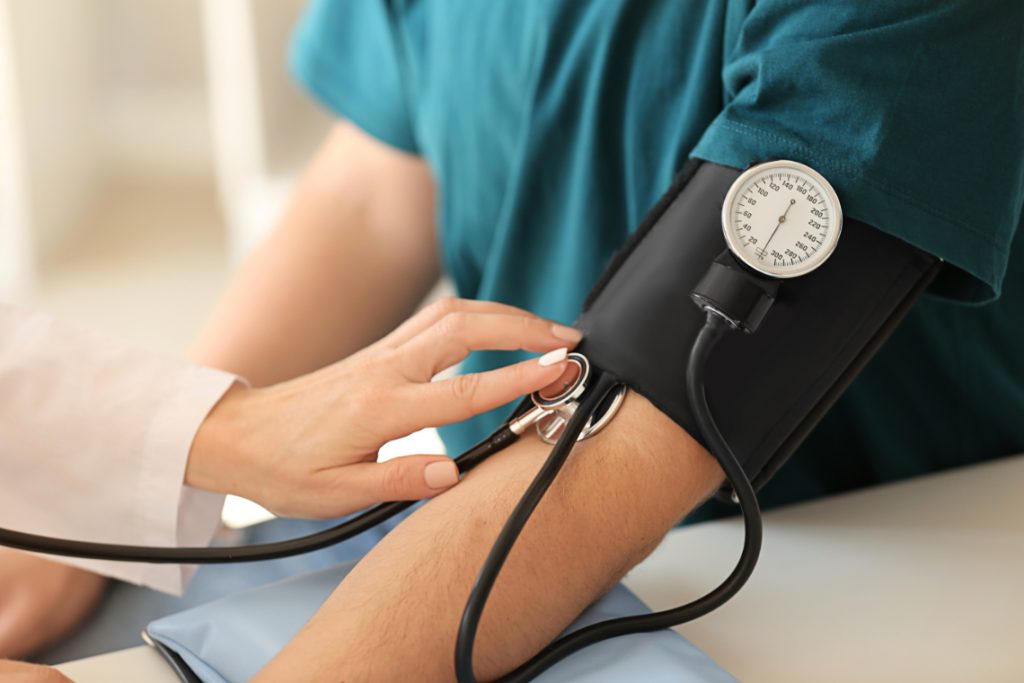
Monitoring Blood Pressure: Why It Matters and How to Do It Correctly
To obtain accurate readings, measure your blood pressure while sitting comfortably after resting for at least five minutes. Keep your feet flat on the floor, support your back, and position your arm at heart level. Avoid caffeine, smoking, or exercise for at least 30 minutes before measuring.
Regular monitoring is especially important for older adults, people with diabetes, kidney disease, obesity, or a family history of hypertension. Recording your measurements in a blood pressure diary can help your healthcare provider identify trends and make informed treatment decisions.
Maintaining healthy blood pressure requires a long-term approach. Eating a balanced diet, reducing salt intake, staying physically active, maintaining a healthy weight, managing stress, and taking prescribed medications as directed all contribute to better cardiovascular health.