Shop

Diabetes

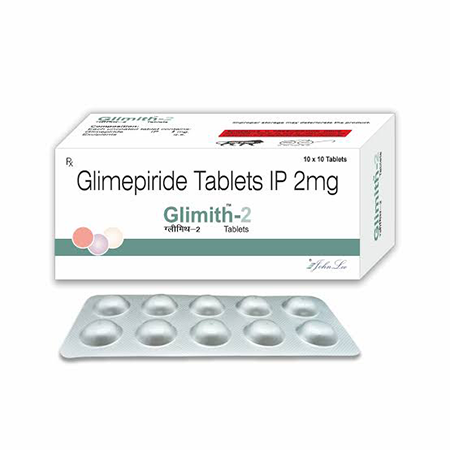
Glimepiride

Glimepiride

10 products
$52 - $270 (From $0.60 / pill)

Glimepiride is an oral diabetes medicine that helps control blood sugar levels. This medication helps your body to respond better to insulin produced by your pancreas. Glimepiride is used together with diet and exercise to treat type 2 (non-insulin dependent) diabetes.
Glipizide

Glipizide

3 products
$104 - $150 ($1.44 - $3.00 / pill)

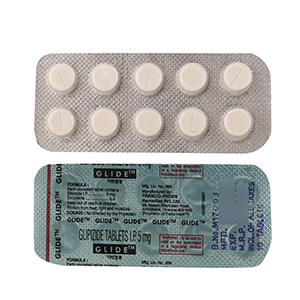
Glipizide is a medication used to treat type 2 diabetes by helping lower blood sugar levels. It belongs to the class of sulfonylureas, which work by stimulating the pancreas to produce more insulin and improving the body's ability to use it. It is typically used alongside diet and exercise for optimal blood sugar control.

Metformin

Metformin

12 products
$138 - $213 ($0.59 - $1.93 / pill)

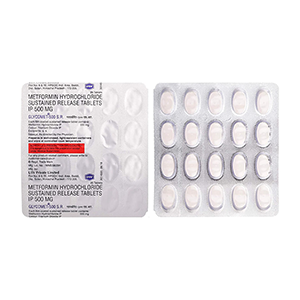
Metformin is an oral diabetes medicine that helps control blood sugar levels. Metformin is for people with type 2 (non-insulin-dependent) diabetes. Metformin is sometimes used in combination with insulin or other medications, but it is not for treating type 1 diabetes.

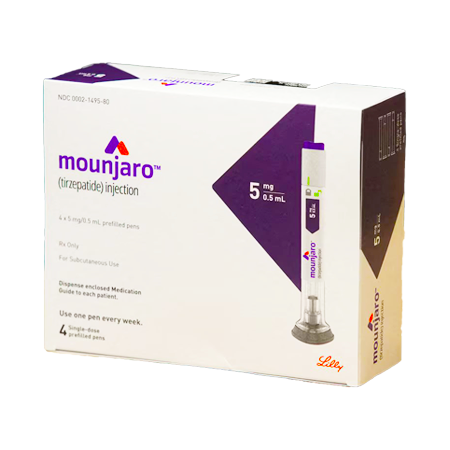
Mounjaro

Mounjaro

3 products
$344 - $920 (From $5.67 / vial)

Mounjaro is used for type 2 diabetes to help lower blood sugar levels. The medication is also prescribed to help with weight loss and maintain the lost weight in clinical trials when combined with diet and exercise.

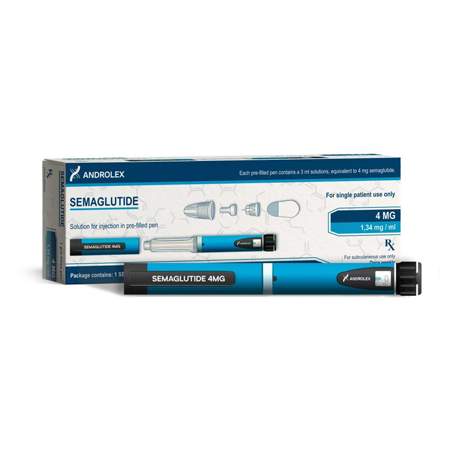
Semaglutide

Semaglutide

1 products
From $414 (From $5.67 / pen)

Semaglutide is a GLP-1 agonist medication used for managing type 2 diabetes and assisting in weight loss. It works by increasing insulin production, reducing glucose output, and controlling appetite. Commonly administered as an injection, it has proven effective for both diabetes control and weight management.

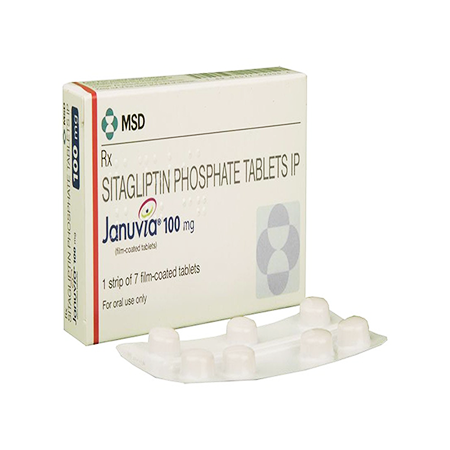
Sitagliptin

Sitagliptin

3 products
$75 - $155 (From $2.06 / pill)

Sitagliptin is an oral diabetes medicine that helps to control blood sugar levels. It works by regulating the levels of insulin your body produces after eating.

Diabetes is a condition in which the body either does not produce enough, or does not properly respond to, insulin, a hormone produced in the pancreas. Insulin enables cells to absorb glucose in order to turn it into energy. In diabetes, the body either fails to properly respond to its own insulin, does not make enough insulin, or both. This causes glucose to accumulate in the blood, often leading to various complications.